
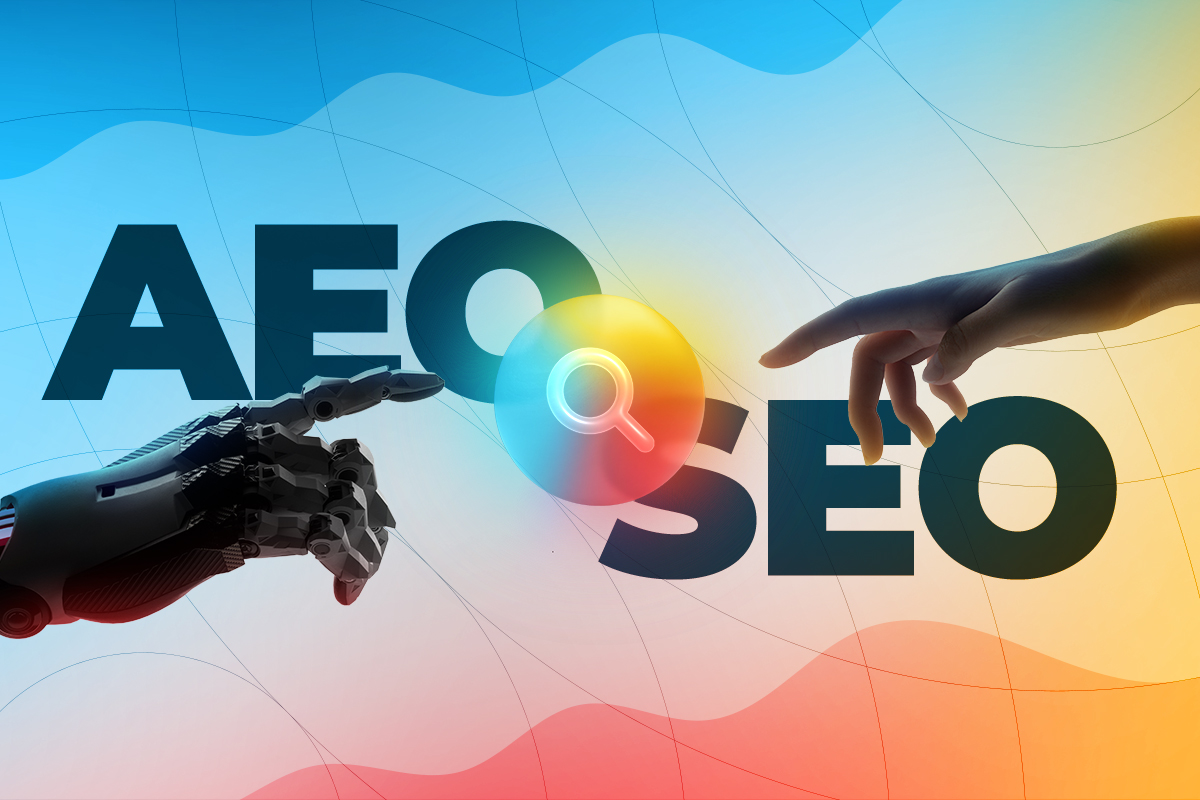
Search is moving from links toward direct and useful answers. AI-powered search can summarize information, combine sources, and respond to detailed questions. This shift is changing how websites gain visibility. The Future of SEO is no longer limited to ranking a page on a results page. Visibility can also depend on whether relevant information is selected inside an answer.
From Rankings to Direct Answers
Traditional SEO has focused on rankings, keywords, crawling, links, and technical performance. These foundations remain important. Answer engines introduce another layer. A system can retrieve information from several sources and create a response instead of presenting only a list of links.
The Future of SEO therefore includes answer-focused content. Clear explanations, direct responses, useful headings, and strong evidence can make content easier for modern search systems to understand. Search Engine Land describes AI SEO as an expansion of traditional SEO, with visibility extending into retrieval, citations, and recommendations.
Why Answer Engines Matter
Answer engines are designed around questions and conversations. A search journey can begin with one question and continue with follow-up questions, comparisons, and decisions. Content supporting each stage can become more useful than a page built around one keyword.
The Future of SEO will place greater attention on meaning and context. Natural language can become more important as search queries become longer and more specific. A strong page should explain the main subject clearly.
Important facts should appear in easy-to-find sections. Definitions should remain simple. Questions should receive direct answers. Such structure can make information easier to process.
SEO Still Has a Foundation
Answer engines do not remove traditional SEO. Technical accessibility, relevant keywords, internal linking, page quality and relevance, and useful content still support discoverability. A page that cannot be crawled, understood, or trusted has limited opportunity to appear in search or AI-generated answers.
The Future of SEO is therefore an expansion rather than a complete replacement. Search optimization now covers several environments. A website can target rankings while creating content for answer-based experiences.
For a broader comparison, the guide on SEO vs. AEO vs. GEO explains how the three approaches relate to modern search.
Content Needs Stronger Structure
Answer engines need information that can be identified and connected. Poor organization can make important details harder to locate. Strong headings, short sections, concise explanations, and internal links can create a clearer information path.
The Future of SEO also gives greater importance to original information. First-hand research, useful data, clear sources, and accurate current facts can strengthen overall content value. Repeating common information without additional value may provide less distinction in a crowded search environment.
Freshness can matter when a topic changes quickly. Updated facts can maintain relevance.
Measuring Visibility Beyond Rankings
Rank position remains useful, but modern measurement can include more signals. Organic traffic, clicks, conversions, AI citations, mentions, and referral visits can provide a wider picture.
The Future of SEO requires broader measurement because an answer engine may provide information without a traditional click. A brand can gain exposure through a citation or recommendation without an immediate visit.
SEO teams can monitor traditional search performance alongside visibility across AI-powered search experiences. This comparison can reveal where content performs well and where improvement may be needed.
Building for the Next Search Era
The next stage of search will combine traditional results, generated answers, conversational questions, and personalized discovery. Different search experiences can exist together.
The Future of SEO will favor content that is clear, useful, credible, structured, and relevant to real questions. Keyword targeting will remain part of the process, while meaning, context, evidence, and information quality gain greater attention.
A practical strategy starts with strong technical SEO and expands into answer-ready content. Clear structure, useful information, trustworthy sources, and regular updates can support broader visibility.
Conclusion
The movement from search engines to answer engines changes digital discovery. Rankings remain important, but visibility now extends into generated answers, citations, and recommendations.
The Future of SEO is becoming broader, more conversational, and more focused on useful information. Websites prepared for this shift can build content that works across traditional search and emerging answer-based experiences. The Future of SEO has a simple foundation: create information that is easy to find, understand, and trust.